The gap I kept noticing
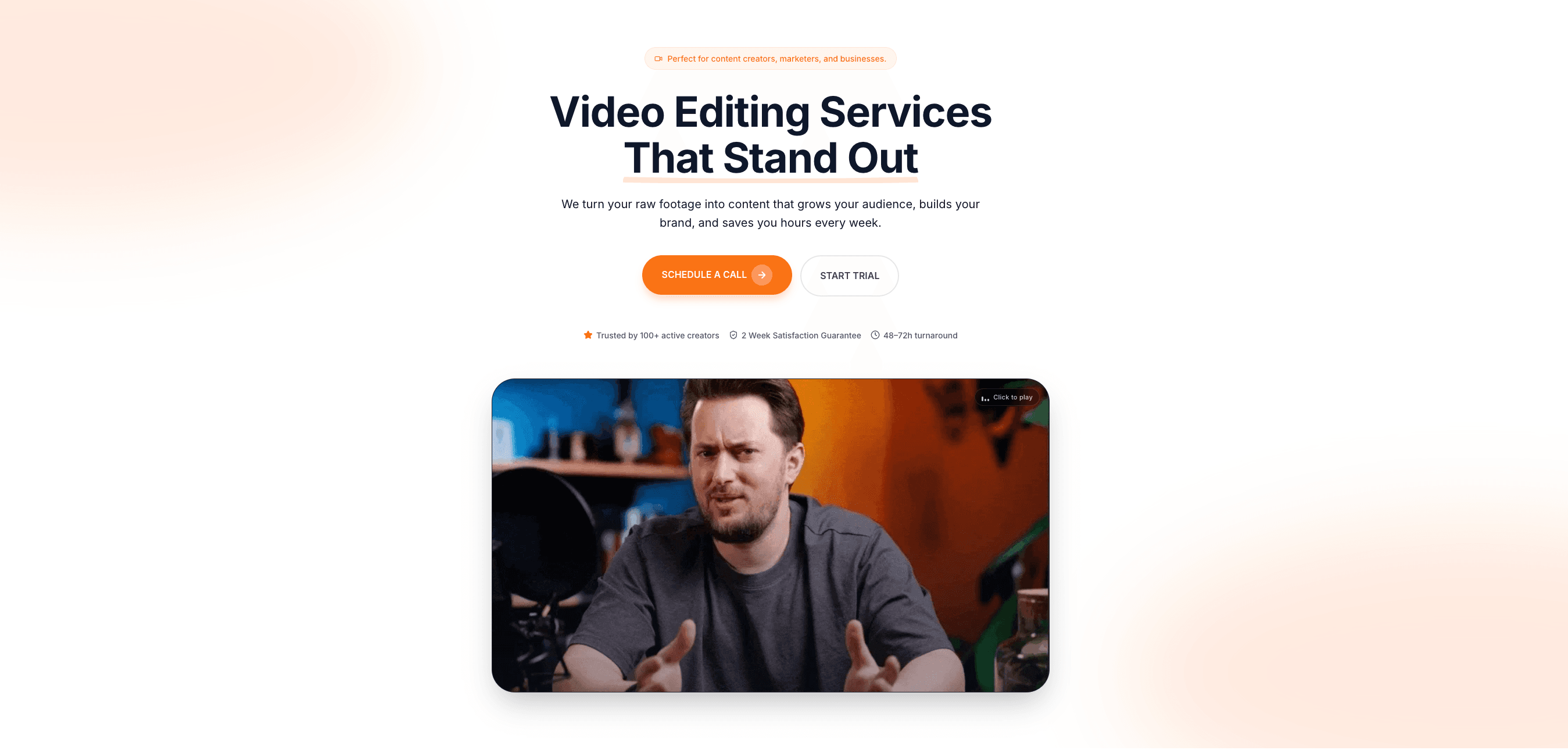
I started IndieDoers because I could see a familiar problem for people and businesses that needed video editing. Finding the right expert was one challenge; after that came the collection of little challenges: agreeing what needed doing, sharing footage, keeping track of feedback, asking for revisions, and knowing when the final files would arrive. Each step could send you to a different tool, inbox, or shared folder. The actual editing was only part of the job. Managing the job was another job.
One place for the whole job
I wanted to make it easier to match people with the right video experts and then give them one clear place to get the work done. IndieDoers was designed around a more joined-up service: customized editing support alongside the tools people needed to brief a job, follow progress, review a cut, request changes, and receive the finished video. The aim was to make the service and the workspace feel like parts of the same experience, rather than a relay race between tabs.
Starting as a one-person development team
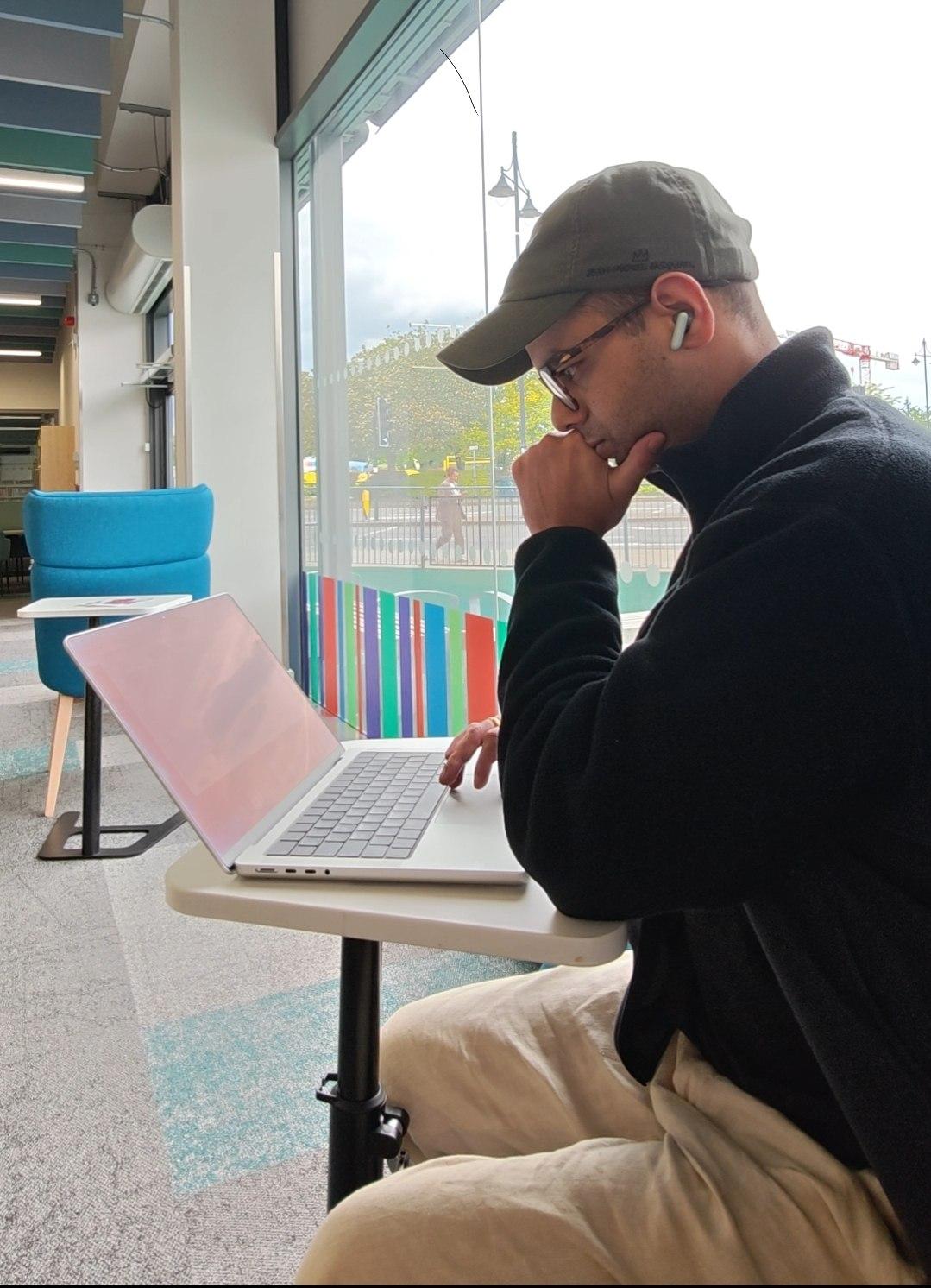
At the beginning, I was the development team. It was a small team with excellent meeting attendance: me, myself, and whichever cup of tea was still warm. I built the first version using no-code tools so I could get the service moving and learn from the real workflow instead of spending months polishing an idea in private. I often worked from cafés and libraries, carrying the project wherever I could find a table, a plug socket, and a reasonably patient Wi-Fi connection. Those ordinary corners became my little one-person studio: a place to think through the customer journey, test how requests and delivery should work, and keep building between everything else. That let me get a working product in front of people and shape it around what they actually needed.
From no-code to Next.js and React
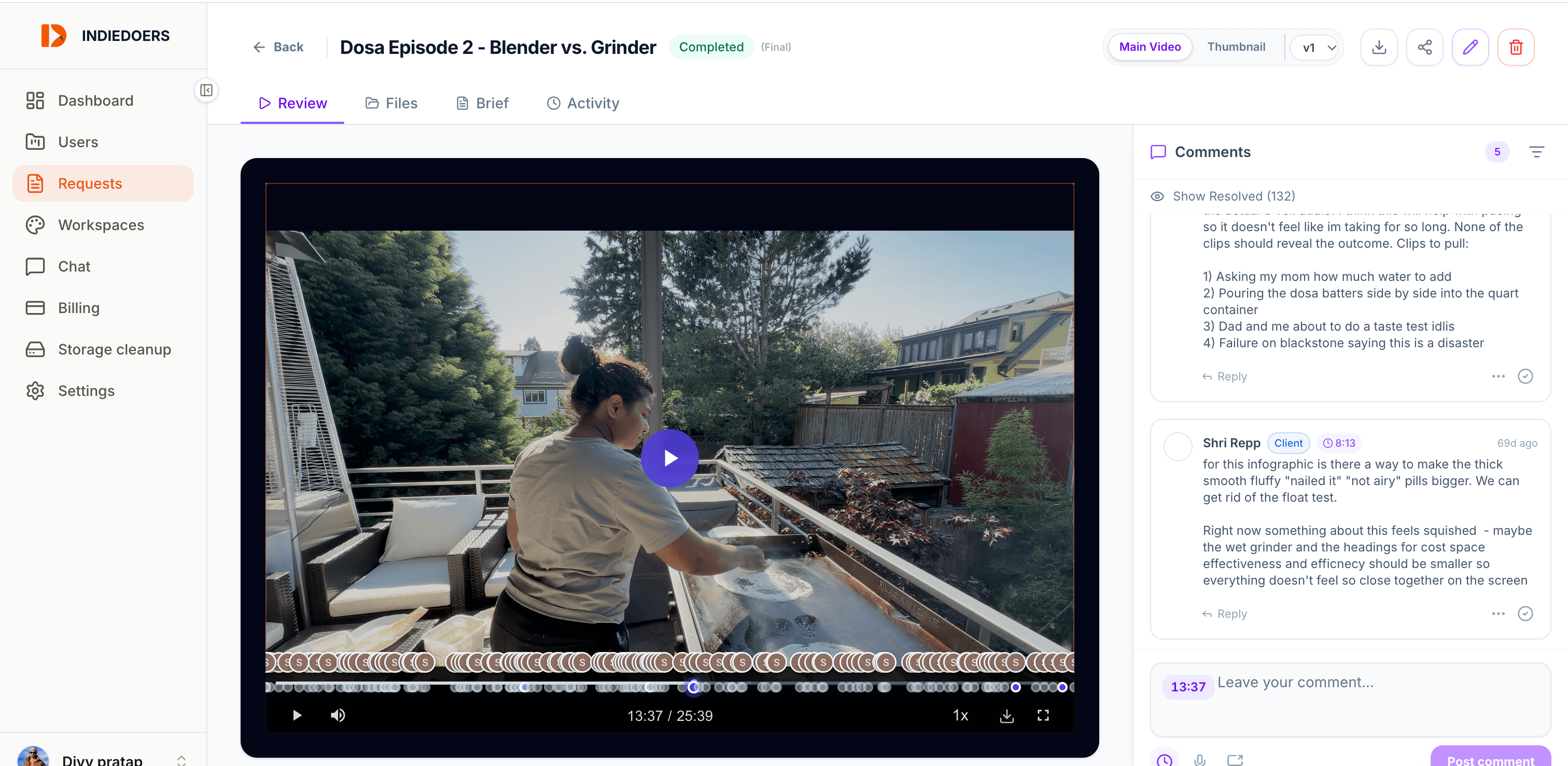
As the product grew, I wanted more control over the experience and how the different parts connected. I moved into AI-assisted coding and rebuilt the customer portal with Next.js and React. AI tools became part of my development workflow, but I still had to decide what the product should do, how its pages should behave, and how customer and project information should flow. I also integrated Stripe billing, linking the customer and payment workflows with project delivery. That connection mattered: a subscription or service payment should lead naturally into the work the customer came to get done.
The unglamorous magic of a good hand-off
A useful workspace is not only a dashboard with tidy cards. It has to help the people involved understand what happens next. The service was intended to bring customers, their relationship manager, and their video-editing expert into a more coherent journey. A customer should be able to make a request, see its progress, review an edit, and get the delivery without wondering which inbox holds the latest version. Bringing the conversation and the work closer together was central to the idea.
Getting the word out
For organic growth, I used channels such as Reddit to find conversations where video editing was already a real need. For paid marketing, I tested different channels and approaches rather than assuming the first campaign would be a work of genius. Google Search turned out to be the strongest paid channel for us. People searching for editing help were already expressing intent, which made search a particularly natural fit. I also tested landing pages, trial offers, and pricing for UK and US audiences. IndieDoers generated six-figure revenue through services and subscriptions.
Making the customer journey measurable
I used HubSpot to manage leads and follow-up, with workflows that helped move people from enquiry towards a trial and paid plan. SendGrid and Loops supported the email side of the experience: transactional messages and customer updates on one hand, marketing and lifecycle communication on the other. The point was to send useful messages when something actually happened—an onboarding step, a booking, a project update—not to turn someone’s inbox into a small administrative punishment.
Following the evidence
I set up sign-up and booking conversion tracking with Google Tag Manager, Google Analytics 4, and PostHog, alongside Meta Pixel and Google Ads measurement. I looked at how visitors moved from landing pages to sign-ups and bookings, and investigated cross-domain attribution, including keeping Google click IDs (gclid) through to Cal.com. Attribution can be a bit like trying to work out who brought the biscuits to a meeting: everyone has a theory, and the crumbs are not always conclusive. Having several measurement tools helped me compare signals and spot where the journey needed closer attention.
What I learned building it
IndieDoers taught me that a service business is also a software product, and that the hand-offs around the service can matter as much as the service itself. I began with a no-code version, built and managed the development work myself, and moved to a custom Next.js and React portal as the product needed more flexibility. I connected billing, CRM, email, analytics, and acquisition around one customer journey. It was a lot to hold together as a one-person product and development team—but it gave me the chance to see the whole system, from the first search click to the finished video landing where it belonged.